Advanced Diagnostics for Chiropractic Offices
Chiropractic offices play a central role in the evaluation and treatment of spine-related injuries, particularly in patients dealing with neck pain, back pain, and trauma from accidents. Chiropractors are often the first providers to evaluate musculoskeletal injuries, making accurate diagnosis a critical part of patient care.
While chiropractic treatment focuses on restoring function and improving mobility, the ability to clearly identify the source of a patient’s pain is what allows providers to deliver the most effective care. For many chiropractic practices, this is where advanced diagnostic technologies can make a significant difference.
By integrating modern diagnostic tools into the practice, chiropractors can gain clearer insights into spinal conditions, improve documentation, and enhance the overall patient experience.
The Importance of Accurate Diagnosis in Chiropractic Care
Chiropractic medicine is built around evaluating movement and function in the spine and musculoskeletal system. Patients often present with symptoms such as stiffness, pain, limited range of motion, or neurological complaints that may be related to underlying structural issues.
In many cases, traditional imaging methods such as X-rays or MRI provide valuable information about the spine. These studies can reveal fractures, degenerative changes, disc issues, and other structural conditions that may influence treatment decisions.
However, many patients who experience chronic pain or trauma-related injuries do not always show clear abnormalities on static imaging. This can create challenges for both the provider and the patient when symptoms persist but imaging appears relatively normal.
For chiropractors who treat patients after motor vehicle accidents or other traumatic events, the ability to identify subtle injuries becomes particularly important. Accurate diagnostics help ensure patients receive the right treatment and that their condition is properly documented.
Challenges Chiropractors Often Face with Traditional Imaging
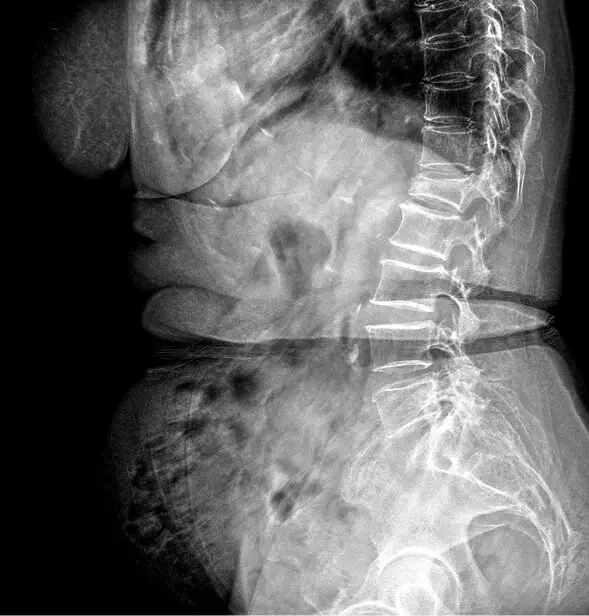
Traditional imaging methods are extremely useful, but they are limited in one important way: they typically capture static images of the spine.
Standard X-rays and MRI scans show what the spine looks like in a stationary position. While this helps identify structural abnormalities, it may not always reveal how the spine behaves during motion.
Because the spine is designed to move, some injuries only become apparent when the vertebrae shift or translate during movement. In cases involving ligament damage or spinal instability, the problem may not be obvious when the patient is lying still inside an MRI scanner.
This is one reason why some chiropractic patients continue to experience symptoms even when traditional imaging results appear inconclusive.
For chiropractic offices that frequently treat accident-related injuries, identifying these subtle issues can play an important role in determining the best treatment approach.
The Growing Role of Motion-Based Spine Diagnostics
Advances in diagnostic technology are helping address some of the limitations of traditional imaging. One of the most significant developments involves motion-based spinal analysis.
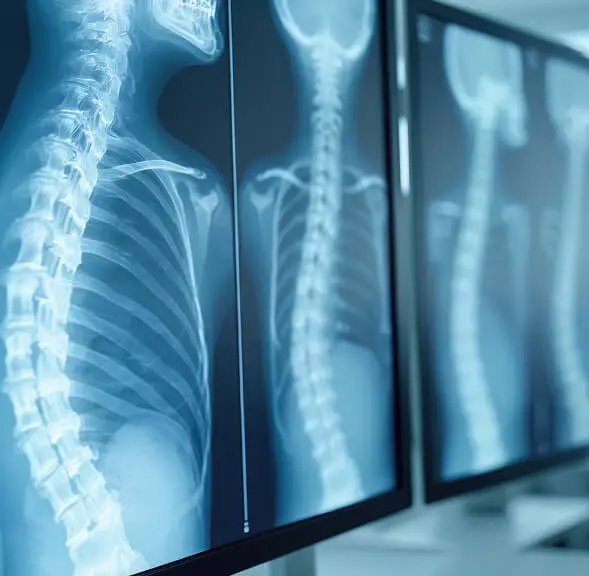
Rather than capturing a single static image, motion-based diagnostic systems evaluate how vertebrae move relative to one another during controlled movement. By analyzing this motion, providers can observe patterns that may indicate instability, ligament damage, or abnormal spinal mechanics.
These systems measure alignment, translation, and angulation between vertebrae, providing objective data about how the spine functions during movement. This type of information can help practitioners understand conditions that might otherwise be difficult to detect.
For chiropractors whose treatment philosophy centers on restoring proper spinal motion, motion-based diagnostics can provide valuable insights into how the spine is functioning.

How Technologies Like VMA® Can Support Chiropractic Practices
One example of motion-based diagnostic technology is Vertebral Motion Analysis (VMA®). VMA® uses dynamic imaging to analyze spinal movement in real time, helping identify areas where vertebrae move abnormally due to ligament damage or instability.
Unlike traditional flexion and extension X-rays that capture only a few static positions, VMA® records the spine as it moves through a full range of motion. This allows providers to observe patterns of movement that may indicate underlying instability or injury.
For chiropractic offices that treat trauma-related spine injuries, this type of diagnostic information can help provide a clearer picture of what is happening within the patient’s spine.
In many cases, motion-based analysis can help identify injuries that may not be clearly visible on static imaging alone.

Clinical and Practice Benefits for Chiropractors
Integrating advanced diagnostic technology into a chiropractic office can provide benefits beyond improved imaging.
For chiropractors, these tools can help:

Improve clinical insight
More detailed diagnostic information helps providers better understand the mechanical issues contributing to a patient’s symptoms

Support treatment planning
Objective data about spinal movement may assist chiropractors in developing more targeted treatment plans.

Strengthen documentation
In cases involving personal injury or workers’ compensation, objective diagnostic findings can help support clinical documentation and case records.

Enhance patient communication
When patients can see and understand what is happening within their spine, it often helps them better understand their condition and treatment plan.

Differentiate the practice
Advanced diagnostic capabilities can help chiropractic offices stand out in competitive healthcare markets.
For practices that regularly treat complex spine injuries, these technologies can provide an additional layer of insight that supports both clinical care and patient education.
Looking Ahead: The Future of Chiropractic Diagnostics
Chiropractic care continues to evolve alongside advancements in medical technology. As diagnostic tools become more precise and accessible, providers gain new opportunities to better understand spinal conditions and deliver more informed care.
Motion-based diagnostic systems represent one step in this evolution. By combining traditional imaging with technologies that analyze how the spine moves, chiropractors can gain a more complete picture of spinal function.
For chiropractic offices focused on treating spine injuries, integrating advanced diagnostics may help bridge the gap between symptoms and clear diagnostic findings.
Ultimately, the goal of any diagnostic technology is simple: help providers understand the patient’s condition more clearly so they can deliver the most effective care possible.